The Nature of Luck in Gambling
Luck is often perceived as an unpredictable force that plays a pivotal role in the realm of gambling. In many games, particularly those based on chance, players find themselves at the mercy of luck, as outcomes are not influenced by skill or strategy. Even in games where skill is a factor, such as poker or blackjack, luck can significantly sway results, creating an inherent unpredictability that draws players to the thrill of gambling. Many enthusiasts enjoy the experience offered by various platforms, such as 1win , which provide exciting opportunities and games that enhance this unpredictability, as it promises potential excitement alongside the risk of loss.
The concept of luck can be analyzed through the lens of probability and odds. Each gambling game is governed by specific probabilities that dictate the likelihood of various outcomes. For example, when playing a game like roulette, players can calculate their chances based on the number of pockets on the wheel. However, despite these probabilities, luck can lead to outcomes that deviate significantly from expected results. A player may understand the odds yet find themselves on a losing streak, highlighting how luck can disrupt expectations and create emotional highs and lows.
Furthermore, the belief in luck often manifests in various superstitions and rituals among gamblers. Many players might adhere to specific practices, convinced that these behaviors can sway the odds in their favor. These rituals could range from wearing a particular shirt to performing a series of pre-game actions. Such behaviors stem from a psychological desire to exert some control over an otherwise random process. While these superstitions may provide a sense of comfort or empowerment, they ultimately do not affect the mathematical probabilities underlying the games, illustrating the complex relationship between perception and reality in gambling.
The Role of Chance in Different Gambling Games
Different gambling games exhibit varying degrees of reliance on luck, which in turn affects how players approach their strategies. In purely chance-based games like slots or roulette, luck reigns supreme, as players have no ability to influence the outcome. The randomness inherent in these games appeals to those seeking immediate thrills, where a single decision can lead to substantial wins or devastating losses. This element of unpredictability is a significant draw, as players are often enticed by the possibility of hitting a jackpot or achieving a remarkable win.
In contrast, games that incorporate skill, such as poker and blackjack, present a hybrid model where luck and strategy coexist. In poker, for instance, a skilled player can enhance their chances of winning through strategic decision-making, but they are still subject to the randomness of the cards dealt. This interplay between skill and luck adds layers of complexity to the gaming experience, requiring players to balance their knowledge with the acceptance that luck can, and often will, determine the final outcome. The duality of chance and skill creates a richer gaming environment, where psychological tactics and emotional responses play vital roles.
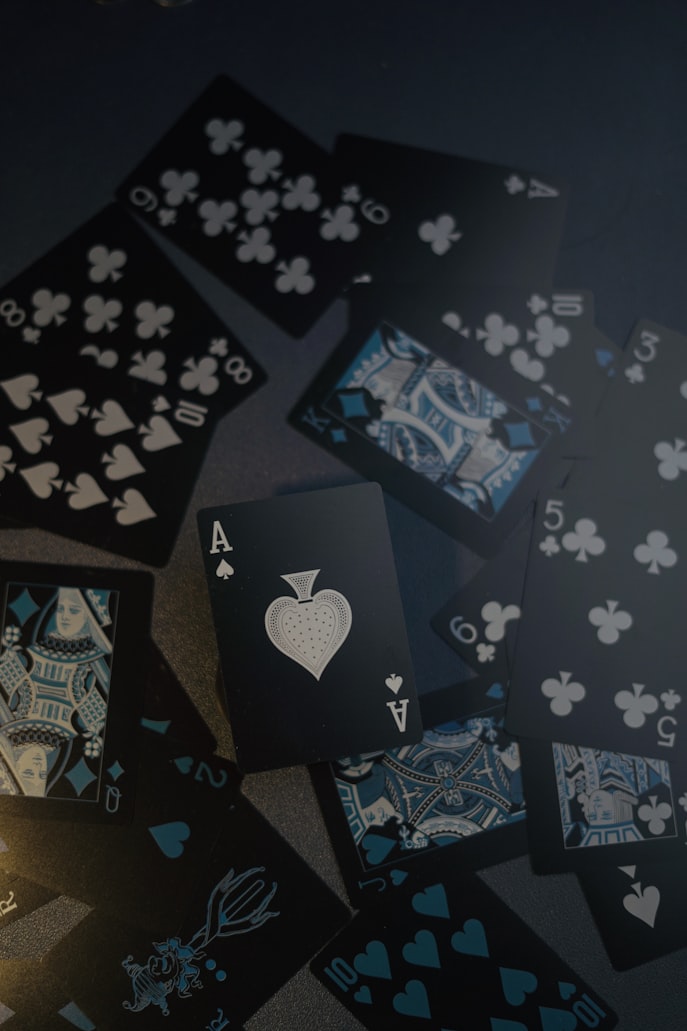
Moreover, understanding how luck operates across different gambling formats can aid players in refining their strategies. While a player’s skill can elevate their likelihood of winning, it’s essential to acknowledge that luck cannot be entirely mitigated. This awareness allows players to adapt their strategies accordingly, recognizing that while they can make informed decisions, the outcome ultimately relies on chance. Such insights foster a more comprehensive understanding of gambling, enhancing the overall experience by embracing the unpredictability of luck.
The Psychological Impact of Luck on Gamblers
The psychological effects of luck in gambling are profound, often shaping the experiences and behaviors of players. Winning streaks, often driven by luck, can lead to euphoric feelings, triggering a surge of dopamine that reinforces continued engagement in gambling activities. This emotional high can be intoxicating, creating a cycle where players chase the thrill of past successes. However, this chase can lead to risky behaviors, as the desire to replicate wins can overshadow rational decision-making, ultimately resulting in negative consequences.
On the flip side, a string of losses can induce feelings of frustration and despair. When luck is not on a player’s side, the emotional ramifications can be significant, leading to anxiety and sometimes even depression. Gamblers may find themselves second-guessing their abilities or resorting to reckless betting strategies in attempts to recover losses. This cycle of highs and lows illustrates the critical role that luck plays in shaping emotional responses, making it imperative for players to remain conscious of their psychological states while engaging in gambling.
Interestingly, many gamblers exhibit cognitive biases related to luck, such as the illusion of control. This cognitive distortion leads individuals to believe they can influence the outcomes of chance-based games through their actions or decisions. Such beliefs can escalate gambling behaviors, as players convince themselves that they can manipulate luck to their advantage. Recognizing these psychological patterns is crucial for players, as they can inform healthier approaches to gambling that prioritize emotional well-being and responsible play.
The Impact of Luck on Gambling Addiction
Luck plays a fundamental role in the cycle of gambling addiction, as the unpredictable nature of outcomes can create a compelling loop of hope and despair. When players experience a fortunate win, it often propels them to continue gambling in the hopes of duplicating that success. This cycle can become a trap, where individuals feel compelled to chase luck, frequently leading to increased wagers and, ultimately, escalating financial risk. The nature of gambling, intertwined with luck, fosters an environment where addiction can easily take root.

The intermittent rewards associated with gambling further entrench addictive behaviors. Gamblers often undergo cycles of wins followed by losses, creating a pattern that can be psychologically addictive. The brain’s reward system responds to these sporadic victories, reinforcing the behavior and making it increasingly difficult for individuals to step away. Recognizing the link between luck and addiction is vital for developing effective strategies for treatment and prevention, as it underscores the need for a deeper understanding of the emotional dynamics at play.
Addressing gambling addiction requires a comprehensive approach that considers the psychological effects of luck. Support networks, counseling, and educational resources can offer vital assistance to those grappling with gambling issues. By acknowledging the role of luck and its emotional implications, individuals can work toward healthier gambling habits, reducing the risk of addiction and promoting overall well-being. This understanding not only aids in recovery but also fosters a more responsible gambling culture.
Understanding Luck and Responsible Gambling
As luck remains a central element in gambling, promoting responsible gambling practices is essential. Recognizing that luck is an unpredictable variable can help players establish realistic expectations when they engage in gaming activities. Understanding the odds and potential outcomes associated with various games allows players to approach gambling as a form of entertainment rather than a guaranteed method for financial gain. This perspective can significantly alter one’s approach to gambling, fostering a more mindful experience.
Responsible gambling also entails setting clear boundaries regarding time and money spent. By acknowledging the role of luck, players can cultivate healthier habits that mitigate the emotional and financial risks associated with gambling. Establishing limits is crucial; it encourages individuals to recognize when to pause or take a break, ensuring that gaming remains an enjoyable experience rather than a detrimental one. This practice not only protects players but also promotes a sustainable gambling environment.
In conclusion, luck is an intricate aspect of the gambling landscape, influencing outcomes, experiences, and emotional responses. By developing an understanding of the impact of luck, players can navigate their gambling journeys more effectively, balancing the thrill of chance with responsible practices. As the gambling industry continues to evolve, embracing a responsible mindset around luck will be vital for fostering enjoyable and sustainable experiences for all players, ensuring that gambling remains a source of entertainment rather than a pathway to despair.